

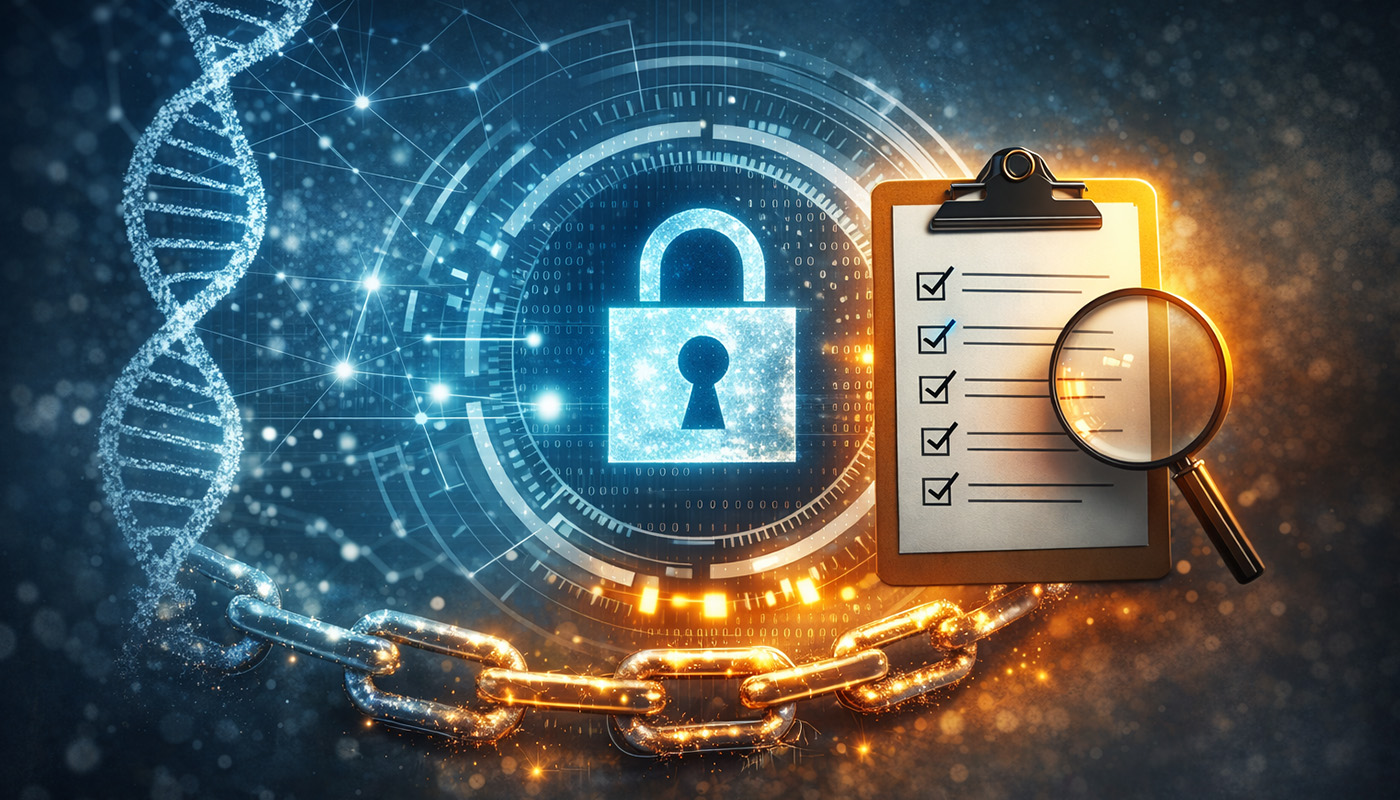
Digital systems and regulations are changing fast. Labs aren’t just storing data anymore. They’re expected to show proof of every change made and keep track of where it all started with an unbroken audit trail. New tools can help, but without a foundation centered on data integrity, they can inadvertently create more vulnerabilities than they solve. That’s where lab data management really matters.
The Pillars of Data Integrity in the Lab
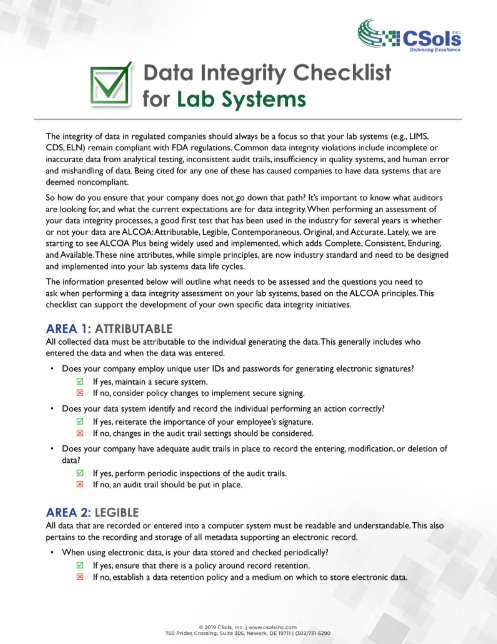
At its core, data integrity ensures that lab information remains:
- Attributable
- Legible
- Contemporaneous
- Original
- and Accurate
- plus Complete, Consistent, Enduring, and Available
These are the ALCOA+ principles. When they aren’t adhered to, things fall apart. For labs, even small mistakes can lead to wrong results or issues with reviews. It’s not just about catching errors. It’s about building checks and clear steps right into daily work.
That’s hard to do without a plan. Labs need processes that fit their exact workflows. Those processes should align with the systems they use every day, whether it’s a LIMS or another informatics platform. Starting with strong systems and workflows makes it easier to hold onto trustworthy, traceable data.
Strategic Consulting: Building a Data Integrity Roadmap
Data integrity doesn’t happen by chance. It takes planning. We start by looking at where things stand now and mapping out where the lab wants to go. This helps to identify your integrity gaps. Once these are clear, we build a roadmap that shows how to get to a fully compliant digital landscape.
This strategic roadmap helps labs consider what they need rather than buying tools that don’t fit their goals. Do they need better traceability? Simplified batch result reviews? Easier compliance? The roadmap helps keep things on track, so changes make sense and build toward the lab’s goals.
When we plan and fix root-cause process issues first, we ensure that your laboratory information management system (LIMS) or informatics platform is built to fortify your data's reliability. That makes the data easier to manage and the system easier to use. It’s about long-term results, not just a quick fix.
As a specialized laboratory informatics consultancy, we have deep experience in defining and optimizing processes for regulated industries, ensuring that consulting is always tailored to meet each lab's workflow requirements.
Choosing the Right System and Getting It Set Up for Data Integrity
Picking the right lab system is critical. A LIMS or similar platform is only as good as the integrity of the data it holds. To optimize its use for data integrity, we map out workflows, data entry points, and review steps. We don’t rush through setup just to tick a box.
A LIMS is only as good as the integrity of the data it holds. If a system doesn't match your real-world workflows, users will find workarounds that compromise data security. When the system enforces the rules, your team is always ready for an audit. A lifecycle approach to lab data management tools helps to organize and track everything.

Keeping Data Integrity on Track with Validation and Lab Data Management
Validation is a final check to make sure the system protects data integrity and does what it’s supposed to do. Before anything goes live, we test and verify it matches the plan. This step protects labs from future breakdowns and surprises.
Validation isn't just for launch day. Data integrity keeps data synced between platforms without losing its metadata or context, even after updates and changes. These steps help labs meet FDA, ISO, or internal standards.
Business Analytics: The Data Integrity Watchdog
Once data is secure, it becomes a powerful asset. Business analytics shouldn't just show productivity; it should act as a continuous monitor for data health. Analytics help us see what’s working, what needs a second look, and where patterns pop up that need attention.
- Dashboards and reports let labs spot performance trends faster
- Teams can track lab improvements over time
- Labs can catch mistakes early instead of months later
Analytics can help spot small problems, like instruments needing maintenance or a test batch that keeps missing a checkpoint. Fixing those things early saves time and follow-up work. Setting analytics up right is one of the best ways to keep pace with changing regulations and performance goals.

Confident Decisions Start with Data Integrity
When labs trust their data, everything gets easier. Decisions are clearer, issues don’t pile up, and teams can focus on the work that matters most. That’s the real value of strong lab data management, it supports every part of the lab, from daily work to long-term growth.
A wait-and-see approach to data integrity is a significant risk. There’s no better time to build a foundation of secure, traceable, and reliable data so labs don’t need to fix things later. Instead, they can move forward with confidence, knowing their data is doing what it should.

Ready Your Lab Data for the Future
Keeping your data reliable and audit-ready takes good planning and the right support. We partner with laboratories to connect workflows, systems, and analytics, supporting efficiency and compliance for every client.
We partner with laboratories to bridge the gaps between disparate workflows and systems. By creating a seamless, validated data thread, we eliminate manual transcription errors and data silos that jeopardize compliance. Our strategies don't just improve efficiency; they fortify the ALCOA+ principles within your unique environment.

How do you see data integrity needs evolving in the future?



.jpg)
.png)
.png)

Comments