

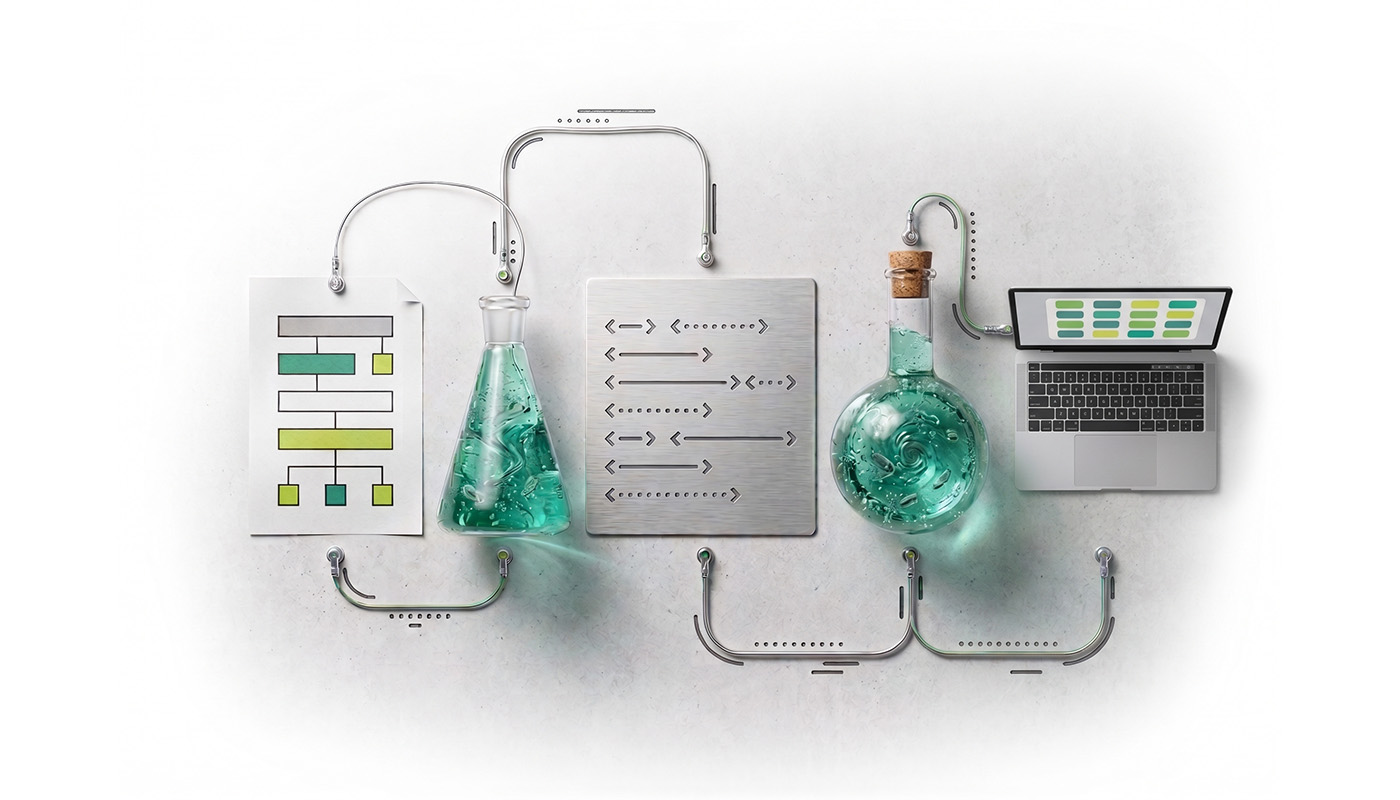
When a lab adds a new LIMS, the goal is clear—get more done with less friction. But the process is about more than installing a system. LIMS setup and implementation services often get called in when labs are working through broken routines, scattered data, or disconnected tools. Success does not start with the right technology. A successful LIMS setup begins with understanding how your lab works right now and planning for where you want to go next.
Sometimes there is pressure to switch quickly, maybe because older software cannot keep up or compliance demands are changing. But a rush to install without preparation often leads to more headaches down the line. A successful setup keeps pace with your team, responds to real workflow needs, and supports growth—not just today, but into the future.
Start Your LIMS Setup With What the Lab Actually Needs
Before any software is installed or tested, the focus should be on the people and everyday routines inside the lab. Start by asking a few simple but important questions. What slows you down? Where do mistakes happen? What sorts of reports or results take too much time? The answers to these questions help uncover the lab’s true goals and build requirements.
Involving staff up front is key. Different roles—from chemists to technicians to quality managers—experience the system in different ways. A chemist may want a barcode reader to make sample entry even easier. A technician may want reports configured in a specific way to make trends obvious. A quality manager may want an interface with the manufacturing execution system (MES). Only by asking each representative group of end users about what works and what is missing do you get a full view of as-is lab workflows so you can define the to-be state. These early voices help to define clear priorities and smooth out the LIMS setup process.
{{cta:strategies-and-methods-for-gathering-your-requirements}}
If you are setting up LIMS for a highly regulated environment, you may want a partner with deep validation and compliance experience. Labs working with strict data controls or regular audits need their workflows to be mapped carefully during the planning stage, not left as last-minute additions.
Match LIMS Features to Real-life Workflows
Labs can get caught up in chasing the newest or longest list of features in a LIMS. Drop-down menus, dashboards, or alerts sound helpful on paper. However, problems begin when a feature slows down the actual job or leaves staff confused.
It helps to focus on daily tasks, not just checklists. Does the new system organize sample tracking faster, or create new steps? Does it let people move smoothly through their work, or create another reason to go back to old spreadsheets? This is where support from experienced LIMS implementation consultants is valuable. They examine every new option in relation to your current routines, making sure changes add value.
Feature choices work best when grounded in how your team already does things. When the fit is right, adoption happens naturally. People stop relying on sticky notes or double-checking records by hand, and the software does what it should—clear a path, not add roadblocks.
Look for a service provider who guides your selection based on real user needs, not just industry buzz or software trends. Strategy from experts with experience in data integration and process improvement can make a difference in connecting new software with your lab's purpose, so users can benefit quickly.
{{cta:5-ways-project-leadership-can-maximize-informatics-system-adoption}}
Don’t Skip Data Preparation and Integration
It is easy to focus only on new LIMS features and overlook the importance of data cleaning and preparation. The reality is that your system is only as useful as the data inside it. Legacy data left unreviewed can slow down reporting, introduce mistakes, or cause duplicate records that are hard to untangle.
Another big hurdle is disconnected systems. If your equipment, databases, or spreadsheets are not mapped and integrated, the new LIMS setup can stall. Data gets trapped or scattered, creating manual cleanup for staff.
Skipping data preparation is the fastest path to slowdowns and constant troubleshooting. And labs that rush through this stage often run into problems as soon as they try to use the platform for real work.
Comprehensive data cleaning and preparation includes:
- Reviewing where legacy data lives and its condition
- Cleaning data so errors, gaps, or duplicates do not carry over
- Mapping how instruments, apps, and spreadsheets already share data
- Creating a plan so all these sources flow simply into the new LIMS
A connected system saves time and helps to prevent mistakes.
As part of business analytics services, experienced teams help assess how your lab moves data between systems now and spot hidden risks that can be smoothed out before migration. This level of planning is key for integration and strong reporting after go-live.
Validate, Test, and Train—Don’t Rush the LIMS Go-live
It is tempting to do a quick launch so that everyone can start using the new LIMS. Transitions are often busy, and shortcuts start to look good. However, each skipped step creates risk, especially for labs that need to meet compliance goals or pass audits.
Validation checks that every process, calculation, and report works under real conditions. Do alerts get sent at the right stage? Do lab roles see what they should? Skipping these checks can lead to missed records or regulatory headaches later.
Testing is more than a final review. It should use real data and reflect how people use the system each day. Even small misses here may create confusion in the rush of daily work.
Training is vital but often overlooked. Even the best system can seem complex until you get to try it yourself. People appreciate the chance to use real scenarios, ask questions, and make mistakes before everything is official. Support services that provide secure test environments—where teams can experiment and gain confidence—are especially helpful here.
Most successful LIMS setups include:
- Step-by-step system validation, with tests that match real workflows
- Training that adapts to different learning needs, not just a one-time presentation
- Early support, so questions are answered and frustrations caught quickly
Regulatory validation and compliance planning support sets labs up for long-term success, especially when new regulations or audits come through in busy periods.
A LIMS Setup for Today and Tomorrow
LIMS setups that work are the ones that start from inside the lab. The takeaway here is to be deliberate in your planning. Investing time in the planning phase will uncover hidden needs, align the project with business goals, and give every user a voice. When planning is done well, data gets treated carefully, workflows come first, and changes can grow with your team.
Expert-led LIMS implementation services connect people, processes, and strategy right from the start. When labs put in the effort here, the result is a tool that saves time and fits how your work gets done every day. Instead of fighting against the software, your team uses it as a foundation for today—and as a way to keep pace with whatever tomorrow brings.
At CSols Inc., we’ve seen firsthand how a thoughtful approach to planning, configuration, and training makes all the difference during a transition. When your lab needs steady guidance from system selection through go-live, our LIMS implementation services are built to support your long-term success without adding disruption.
What will make your next LIMS setup and implementation a success?



.jpg)
.png)
.png)

Comments